
Cape Town positioned as Africa’s tourism hub at WTM Africa 2026, with focus on connectivity and market expansion

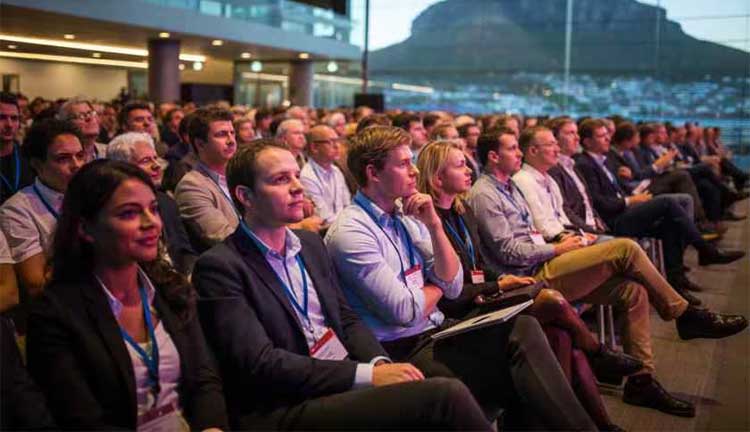
At WTM Africa 2026 inside the Cape Town International Convention Centre, the direction of African tourism is becoming clear: growth, connectivity, and measurable outcomes.
From the moment you enter the venue, it’s evident this is more than a showcase of destinations. The focus is on how Africa is positioning itself globally—how travelers are moving, and how destinations are preparing for rising demand.
The event opened with cultural performances, including the Isibanese Afrika Choir, highlighting the continent’s rich identity and experience-driven tourism. Sessions were guided by Ondela Mlandu, while keynotes from James Vos and Patricia de Lille framed tourism as a driver of economic growth and infrastructure development.
Tourism as an Economic Driver
Cape Town’s tourism sector reflects how deeply travel contributes to local economies. Employment linked to tourism has grown significantly, supporting a broad network that includes hospitality, transport, small businesses, and cultural enterprises.
Vos emphasised that tourism functions as a connected ecosystem—where air routes, accommodation, visa policies, and workforce readiness all influence performance. For travelers, this translates into smoother journeys and richer experiences.
Air Connectivity Expands Access
A major theme at WTM Africa 2026 is improved air connectivity. Across the continent, aviation capacity is expanding, with more than 182 million airline seats available in 2026.
This growth is reshaping travel by:
- Increasing direct flights between African cities
- Reducing travel time across regions
- Boosting competition and pricing
- Opening access to emerging destinations
Cities like Cape Town, Nairobi, Marrakech, and Zanzibar are seeing strong benefits, while lesser-known destinations are gaining visibility.
Africa’s Tourism Growth in Numbers
Tourism data shared at the event shows Africa welcomed around 81 million visitors in 2025—an 8% increase year-on-year—making it one of the fastest-growing travel regions globally.
Growth is being driven by:
- Rising interest in experiential travel
- Expansion of intra-African tourism
- Aviation recovery
- Investment in hospitality infrastructure
For travelers, this means more choices—from safaris and beaches to cultural and urban experiences.
Changing Traveler Expectations
Traveler behavior is evolving. Today’s tourists are more informed, digitally connected, and focused on authenticity and sustainability.
In response, destinations are prioritising:
- Verified travel information
- Transparent pricing
- Sustainable practices
- Real-time digital engagement
This shift is creating a more seamless and informed travel experience.
Sustainability Moves to the Center
Sustainability is now central to tourism planning. Discussions at WTM Africa highlighted efforts in:
- Environmental conservation
- Community-based tourism
- Responsible wildlife experiences
- Climate-conscious infrastructure
These initiatives aim to balance growth with preservation, giving travelers opportunities to support local communities and ecosystems.
Infrastructure and Development
Infrastructure remains a cornerstone of tourism expansion. Key focus areas include:
- Modern airports and transport systems
- Diverse accommodation options
- Digital booking and service platforms
- Workforce development
Cape Town stands out as an example, combining strong connectivity with attractions like Table Mountain and the Cape Winelands.
Market Diversification
African destinations are also expanding beyond traditional visitor markets by targeting:
- Asian travelers
- Middle Eastern tourism flows
- Intra-African travel
This diversification strengthens resilience and enhances the range of experiences available.
The Role of Digital Visibility
Digital platforms are now central to tourism growth. Beyond visibility, stakeholders are focusing on:
- Accurate listings
- Real-time updates
- User-generated reviews
- Seamless booking integration
For travelers, this improves trust and simplifies planning.
The Road Ahead
As WTM Africa 2026 continues, the trajectory of African tourism is clear—greater connectivity, stronger infrastructure, deeper sustainability, and evolving traveler expectations.
For those planning to explore the continent, opportunities are expanding rapidly—from vibrant city life in Cape Town to wildlife safaris and Indian Ocean escapes.
Africa’s tourism story is no longer just about destinations—it’s about building a connected, accessible, and future-ready travel ecosystem.
Comments are closed.