
Nations assemble for inaugural global summit on phasing out fossil fuels

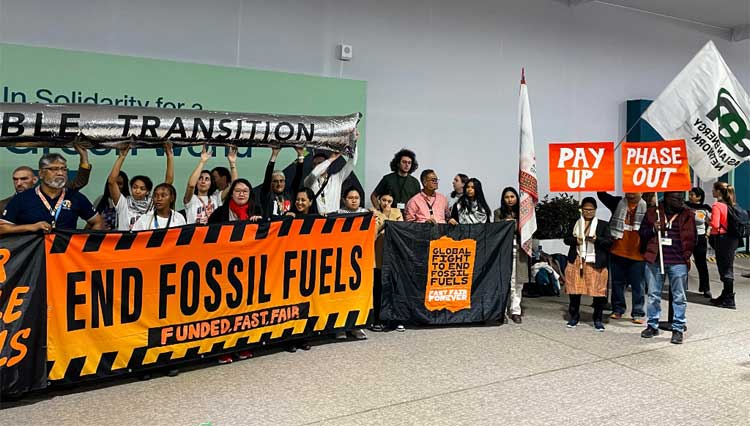
More than 50 countries will gather in Colombia next week for a first-of-its-kind conference focused on phasing out fossil fuels, as the ongoing tensions around Iran highlight how heavily the world still depends on coal, oil and gas.
Ministers are set to meet in the Caribbean city of Santa Marta on April 28–29, amid fuel shortages, rising prices and a scramble for energy security triggered by disruptions in global supply routes such as the Strait of Hormuz. The International Energy Agency has described the situation as one of the most significant oil supply shocks in history.
The conference was conceived out of frustration with the slow, consensus-driven process of United Nations climate negotiations, where progress on a clear fossil fuel exit strategy has repeatedly stalled. Organizers say the current energy crisis has only strengthened the urgency of those discussions, even as some nations turn back to coal in the short term to stabilize supplies.
Colombia’s environment minister Irene Velez Torres, co-hosting the event with the Netherlands, said the gathering has taken on “greater relevance” due to recent geopolitical developments.
A wide mix of countries is expected, including major producers like Australia, Canada and Norway, alongside emerging energy players such as Brazil, Mexico and Angola. Coal-reliant economies like Turkey and Vietnam will also attend, as well as developed nations including Germany, France and the United Kingdom.
However, some of the world’s largest fossil fuel producers — including the United States, China, Saudi Arabia and Russia — are not participating.
The meeting is expected to be closely watched as an emerging coalition of countries seeks to push forward a fossil fuel phaseout outside the UN framework. Colombia says participating nations represent about one-fifth of global fossil fuel production and nearly one-third of consumption.
Some critics warn that bringing together a broad group of producers and consumers could dilute outcomes. But officials argue the opposite—that it creates a rare, open forum to tackle a politically sensitive issue.
Climate ministers from vulnerable nations, including Tuvalu, have welcomed the initiative, calling it overdue. Meanwhile, countries like Vanuatu say the current energy crisis underscores the need to reduce reliance on imported fossil fuels.
Despite rapid growth in clean energy investment—now roughly double that of fossil fuels—global emissions from coal, oil and gas reached record highs again in 2025. Some countries are even increasing coal use in the short term to address supply gaps, highlighting the complexity of transitioning away from fossil fuels.
Nearly 200 nations had agreed at COP28 to move away from fossil fuels, but efforts to translate that pledge into action have faced resistance. Disagreements resurfaced at COP30, where countries failed to agree on explicitly referencing fossil fuels in the final agreement.
While no major announcements are expected from the Santa Marta meeting, its conclusions are likely to contribute to a voluntary global roadmap for reducing fossil fuel dependence, an initiative currently being led by Brazil.
Comments are closed.