
World Travel Market Africa unveils 2026 report: AI surge, aviation growth and sustainability gaps reshape Africa’s tourism sector

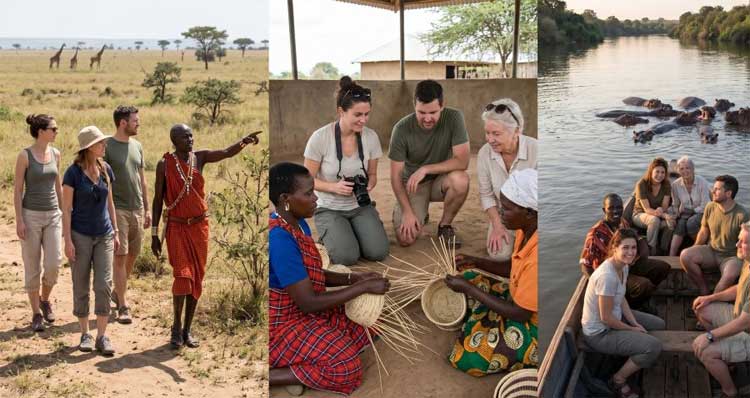
World Travel Market Africa has released its 2026 State of the Industry Report, highlighting major shifts shaping Africa’s travel and tourism landscape—from aviation growth and AI adoption to sustainability challenges and workforce development.
Aviation growth lifts Africa’s travel momentum
The report notes strong expansion in aviation, with international arrivals to Africa rising 8% in 2025 to 81 million—the fastest regional growth globally. Airline capacity also grew 13.7%, reaching 182.4 million departure seats.
However, growth remains uneven. Eastern Africa recorded a sharp 24.3% rise in flights, while Central and Western Africa saw limited progress, underlining gaps in infrastructure and connectivity that still need investment.
AI reshaping how people travel
A key trend is the rapid adoption of AI-driven travel planning, especially among younger travellers. According to the report, 72% of Gen Z users now rely on AI tools to organise trips.
This shift is pushing tourism businesses to make their offerings digitally accessible and compatible with AI-based platforms, as technology becomes central to how travel decisions are made.
Sustainability lags behind expectations
Despite growing awareness, sustainability remains a weak point. Fewer than 5% of hospitality businesses in Africa have third-party sustainability certification.
With the European Union set to enforce stricter greenwashing regulations from September 2026, the report warns that slow progress could affect Africa’s competitiveness as global travellers increasingly prioritise eco-friendly destinations.
Focus on inclusion and workforce skills
The report also highlights the need for more inclusive growth. As tourism expands, ensuring local communities benefit and addressing workforce gaps—especially in leadership roles—has become critical.
Investment in training and skill development is seen as essential to prepare the next generation of tourism professionals and support long-term sector growth.
From aspiration to authenticity
Traveller expectations are evolving. The report notes a shift from aspirational marketing to demand for verifiable, transparent and authentic experiences.
Destinations that can demonstrate sustainability, accessibility and inclusivity—rather than just promote them—are likely to gain an edge in the coming years.
The road ahead
Looking forward, the report identifies four defining trends: rising reliance on AI, ongoing sustainability challenges, the need for inclusive workforce development, and growing emphasis on trust and transparency.
To stay competitive, African destinations will need to embrace technology, strengthen sustainability efforts and ensure inclusive growth.
The report concludes that while Africa’s tourism sector holds strong growth potential, it must act decisively to adapt to these changes and position itself as a leading global destination.
Comments are closed.