
UN chief contenders vow reforms while reaffirming core principles

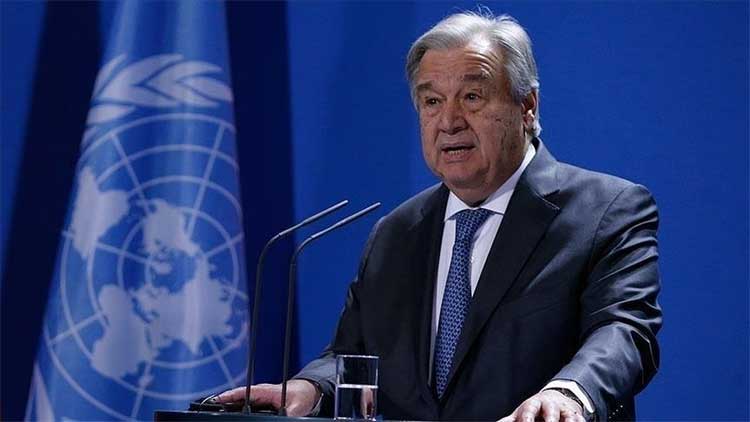
Candidates vying to succeed Antonio Guterres as the next head of the United Nations pledged on Wednesday to revive the crisis-hit global body through reforms, while upholding its core mission of peacekeeping and development support.
Four contenders are currently in the race to take over as UN secretary-general from next year, a role that comes with the daunting challenge of restoring the organisation’s credibility and relevance after years of declining influence. During extensive hearings with UN member states and civil society representatives, all candidates committed to continuing reforms of the 80-year-old institution established after World War II.
Pressure to reform
Amid growing strain on the post-war international order—largely due to actions by major global powers—the 193-member UN is facing mounting pressure to cut costs and demonstrate its effectiveness.
Former Costa Rican Vice President Rebeca Grynspan said her top priority would be peacemaking, warning that trust in the UN is eroding rapidly. Currently heading the United Nations Conference on Trade and Development, she stressed that meaningful reform is essential.
“To defend the United Nations today is to have the courage to change it,” she said.
Senegal’s former president Macky Sall, 64, highlighted the need for “rigorous management” to improve coordination among UN agencies and eliminate duplication.
“Now is the time to do better with less,” he said, aiming to build “a revitalized organization” with a stronger future.
The next secretary-general will serve a five-year term, renewable once.
Fewer candidates, historic possibility
The current field is smaller than in 2016, when Guterres was selected from 13 candidates, though additional contenders may still enter the race.
Grynspan, 70, and former Chilean president Michelle Bachelet, 74, are both seeking to become the first woman to lead the UN in its history. Bachelet, in her hearing, emphasized her commitment to women’s rights, though her stance on abortion has drawn criticism from some conservative U.S. lawmakers.
Also in the running is Rafael Grossi, 65, who currently heads the UN’s nuclear watchdog. He said reform efforts are moving in the right direction but remain incomplete.
While tradition suggests the role rotates by region—with Latin America considered next—Sall noted that no such rule exists in the UN Charter. Convention also dictates that the secretary-general should not come from one of the five permanent members of the United Nations Security Council—Britain, China, France, Russia and the United States—to avoid concentration of power. However, support from these major powers remains निर्णctial in the complex selection process.
Comments are closed.