
Hardline backlash grows in Iran as peace deal nears; Araghchi branded ‘infiltrator’

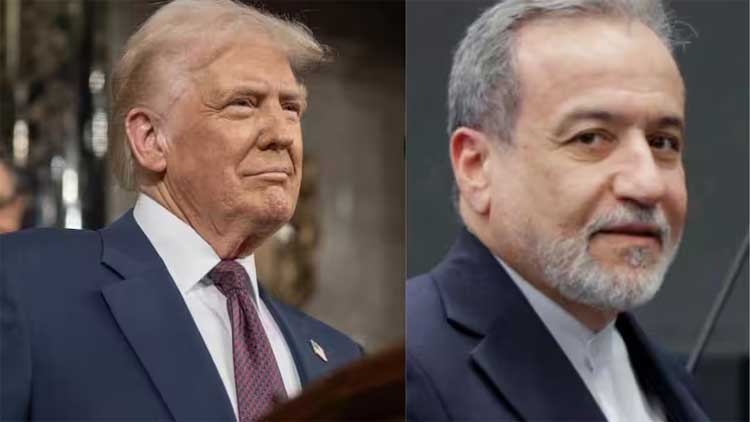
A potential agreement to end the Iran war appeared closer than ever on Saturday, with the United States and Pakistan indicating that a deal could be signed within 24 hours. Iran, while expressing optimism about the negotiations, cautioned that an agreement would not be signed on Sunday and could take several more days.
The differing timelines highlighted lingering differences even as all sides suggested that weeks of diplomacy were nearing a breakthrough.
US, Pakistan point to Sunday signing
US President Donald Trump and Pakistan, which has played a key mediating role, said the agreement was expected to be formalised on Sunday.
Pakistan Prime Minister Shehbaz Sharif said a peace deal was likely to be finalised within 24 hours, followed by an electronic signing ceremony.
“With finalisation likely expected in the next 24 hours, Pakistan is preparing for the electronic signing of the peace deal immediately after, followed by technical-level talks next week,” Sharif said, according to the Associated Press.
Pakistan’s foreign ministry also said preparations were underway for a Sunday signing, though it provided no further details.
Officials said the next phase would involve technical negotiations lasting up to 60 days, largely focused on Iran’s nuclear programme.
Iran urges caution
Iran struck a more cautious tone, saying the timing of any agreement remained uncertain.
“We must wait for the exact timing of the agreement’s signing. It will not happen tomorrow, but it could take place in the coming days,” Iranian foreign ministry spokesperson Esmail Baghaei said, according to state broadcaster IRIB.
He added that Tehran remained cautious because of what it described as inconsistency from the other side.
Despite the reservations, the comments were among Iran’s most optimistic since negotiations began.
Trump says Hormuz will reopen
Trump maintained that the deal would be signed on Sunday and suggested that the reopening of the Strait of Hormuz would follow immediately.
“The deal is scheduled to get signed tomorrow, and immediately after it is signed, the Hormuz Strait is open to all,” Trump wrote on Truth Social.
Since a ceasefire took effect on April 8, ending the most intense phase of the conflict, Trump has repeatedly predicted that a final agreement was imminent, although previous rounds of talks failed to produce a breakthrough.
Strait of Hormuz remains key sticking point
The future of the Strait of Hormuz remains one of the most sensitive issues in the negotiations.
Iran has maintained tight control over the strategic waterway since the conflict began, requiring vessels to obtain clearance from its military and introducing a new authority to regulate transit and collect fees.
Tehran insists it will retain oversight of the route, through which a significant portion of global oil and gas supplies passes.
Washington, however, has repeatedly opposed any long-term Iranian control over the strait. While Trump said the waterway would fully reopen, he did not address future arrangements concerning transit fees or administration.
US Central Command said on Saturday that American forces intercepted multiple Iranian one-way attack drones allegedly launched toward commercial vessels transiting the strait.
What the proposed deal includes
According to draft proposals reported by Reuters, the agreement would see Washington begin releasing billions of dollars in frozen Iranian assets and ease restrictions on Iranian oil exports in exchange for the reopening of the Strait of Hormuz.
The framework would also launch a 60-day negotiation process focused on Iran’s nuclear programme.
US officials say the long-term objective is to dismantle Iran’s nuclear programme, eliminate its stockpile of highly enriched uranium and establish a robust international inspection regime.
Reports have also suggested the talks include discussions on potential war reparations and the easing of US demands related to Iran’s missile programme, although a US official disputed those claims.
Comments are closed.