
Minorities warn at UN that China’s new ethnic law could accelerate cultural assimilation

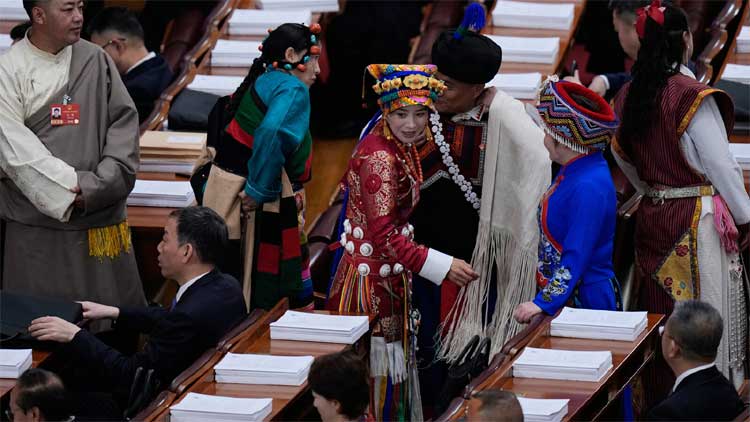
Tibetan and Uyghur representatives have urged countries at a United Nations meeting to pressure China to withdraw a new law they claim is designed to suppress minority identities and accelerate forced assimilation.
The Ethnic Unity and Progress Promotion Law, set to take effect on July 1, aims to promote a shared national identity among China’s ethnic groups and strengthen social cohesion. However, rights advocates argue that the legislation provides a legal framework for long-standing policies that restrict minority languages, cultures and religious practices.
The law criminalizes activities described as “violent terrorist activities, ethnic separatist activities, or religious extremist activities.” UN rights chief Volker Turk has called for the law to be repealed, warning it could increase restrictions on freedoms related to language, education, religion, culture, expression and assembly.
At a UN Human Rights Council side event, Tibetan and Uyghur representatives said the law would further threaten their cultural and religious identities.
Thinlay Chukki, a representative of the Dalai Lama and the Central Tibetan Administration, described the legislation as a form of “cultural genocide,” claiming it would erase Tibetan language and traditions. She criticized policies involving Tibetan children in boarding schools, saying they were being separated from their culture and educated primarily in Mandarin.
Rights activists have raised similar concerns about boarding schools in Xinjiang, where the UN has previously warned of possible crimes against humanity targeting the predominantly Muslim Uyghur population — allegations China rejects.
Zumretay Arkin, vice president of the World Uyghur Congress, said the law risked eliminating Uyghur identity, heritage and religious practices by forcing communities to adopt a Han Chinese identity.
Bhuchung Tsering of the International Campaign for Tibet said the law’s provisions targeting children and encouraging citizens to report violations could deepen pressure on minority communities.
A Chinese representative at the meeting defended the law, accusing some countries and organizations of using human rights issues to attack China politically.
Tibetan and Uyghur representatives also raised concerns about a clause that could affect individuals and groups outside China, warning it may increase what they described as “transnational oppression” against activists and critics abroad.
China’s Vice Justice Minister Hu Weilie defended the provision, saying it was legitimate and consistent with international practices.
Comments are closed.