
Dust and sandstorms are emerging as another warning sign of a changing climate

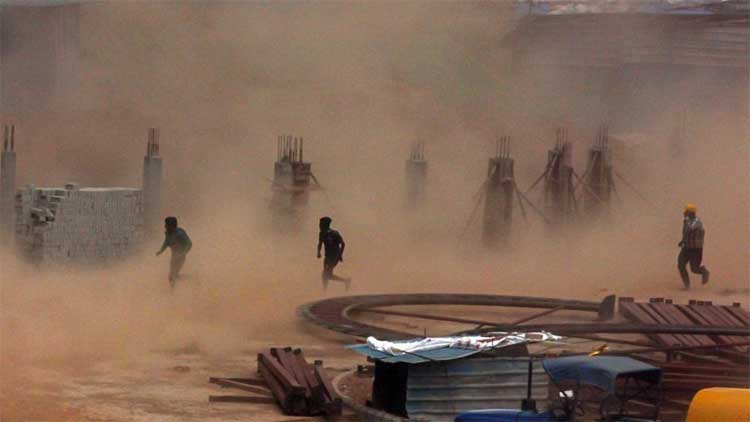
Dust and sandstorms are often seen as seasonal weather events, but their growing frequency, intensity and reach are raising concerns about how climate change is reshaping weather patterns around the world.
From the Middle East and North Africa to parts of Asia and the Americas, powerful dust storms can disrupt transport, damage infrastructure, reduce visibility and create serious air-quality problems. Scientists say the relationship between climate change and dust storms is complex, but changing temperature and rainfall patterns can create conditions that make some regions more vulnerable to severe dust events.
How climate change can fuel dust storms
A warmer climate can alter rainfall patterns and increase the likelihood of prolonged dry spells in some regions. When soil loses moisture and vegetation becomes sparse, exposed ground becomes more vulnerable to strong winds.
Higher temperatures can also intensify evaporation, contributing to drying conditions. In areas already facing water shortages, drought and land degradation can leave large amounts of loose soil and sediment available to be lifted into the atmosphere.
At the same time, changing wind patterns can influence where dust originates and how far it travels. Large dust plumes can cross national borders and even oceans, affecting communities hundreds or thousands of kilometres from their source.
More than a visibility problem
Dust and sandstorms are not simply a nuisance. Fine particles carried by the wind can worsen air pollution and reduce air quality, particularly for people with respiratory and cardiovascular conditions.
Major storms can also disrupt flights, road and rail services and outdoor activities. Dust deposited on crops, water bodies and infrastructure can create additional economic and environmental costs.
Dust can also influence the climate itself. Atmospheric particles can reflect or absorb sunlight and affect cloud formation, meaning dust can play a role in regional weather and temperature patterns.
Land degradation adds to the risk
Climate change is only one part of the picture. Deforestation, overgrazing, unsustainable farming, poor water management and urban expansion can degrade land and reduce vegetation cover.
Healthy vegetation helps hold soil in place and reduces the amount of loose material that can be picked up by strong winds. Restoring degraded land, protecting vegetation and improving water and soil management can therefore help reduce vulnerability to severe dust events.
A warning from a changing climate
It would be misleading to attribute every individual dust or sandstorm directly to climate change. Such storms have always occurred naturally, and their intensity depends on local weather, geography and land conditions.
However, changes in heat, rainfall, drought and land degradation can alter the conditions that produce them. As the planet warms, understanding these changes is becoming increasingly important for communities exposed to dust storms.
Better forecasting, early-warning systems, land restoration and climate-resilient planning can help reduce the risks. For many regions, increasingly severe dust and sandstorms may be another visible reminder that a changing climate is affecting not only temperatures, but also the weather events people experience on the ground.
Comments are closed.