
Proposed Oman deal could give Iran control over Strait of Hormuz shipping: Report

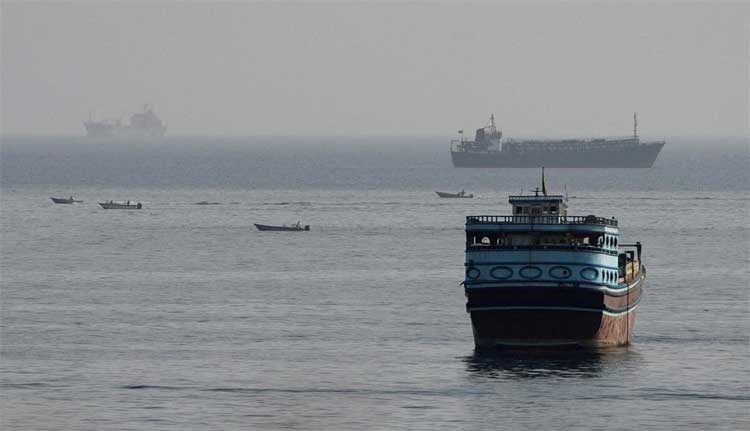
A proposed agreement between Iran and Oman aimed at ending the five-month conflict between Iran and the United States would give Tehran significant authority over ships entering the Gulf through the Strait of Hormuz, according to a Reuters report citing a senior Iranian source and two regional officials.
The proposal, if finalized, would mark a major shift in regional power by granting Iran an unprecedented role in overseeing traffic through one of the world’s most critical energy trade routes. There was no immediate response from the United States.
US President Donald Trump has expressed optimism that a deal to reopen the strategic waterway is close, though US officials have repeatedly maintained Washington would not accept Iranian control over access to the strait.
Iran and Oman have been holding bilateral talks over navigation through the Strait of Hormuz, which both countries border. Iranian officials said negotiations have made “significant progress,” with Deputy Foreign Minister Kazem Gharibabadi stating that commercial vessels could pass through Iranian territorial waters on both inbound and outbound journeys under the proposed arrangement.
According to the Reuters report, one of the key unresolved issues is how much authority Iran would have over outbound shipping. Another sticking point is transit fees. Tehran is reportedly seeking charges of 5–7% of cargo value for ships using the strait, while Oman has proposed a fee of around 3%. The United States, however, opposes any mandatory transit charges.
The negotiations come amid heightened regional tensions. Iran has warned Gulf states that any fresh US military strike on its territory would trigger retaliation against energy infrastructure across the region. Tehran has also targeted commercial vessels transiting the Strait of Hormuz without its approval during the conflict.
Trump has recently emphasized diplomacy over military escalation, saying he would prefer a negotiated settlement despite earlier taking a hard line against Tehran. Iran says more than 3,400 people have been killed since the conflict began in late February, while the United States has reported 18 military fatalities.
Officials familiar with the talks cautioned that no final agreement has been reached and several critical issues remain unresolved. Even so, negotiators say discussions have advanced considerably as both sides seek a framework to reopen the vital shipping lane while avoiding further military escalation.
The outcome of the negotiations could have far-reaching implications for global energy markets, given that roughly one-fifth of the world’s oil supply passes through the Strait of Hormuz.
Comments are closed.