
Climate change intensifying Assam floods, making them more frequent and unpredictable: Report

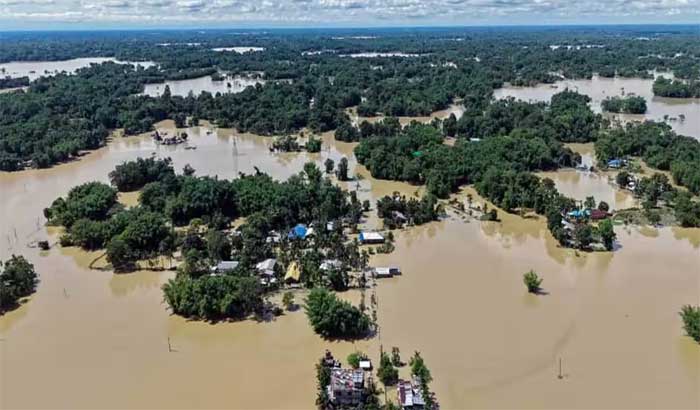
Assam’s recurring flood crisis is becoming harder to manage as climate change alters rainfall patterns and increases the likelihood of intense precipitation events, researchers and experts say. Recent studies and assessments point to increasingly erratic monsoon behaviour, heavier downpours and changing flood patterns across the Brahmaputra Valley.
The impact has been particularly severe this year. Recent flooding has affected large parts of Assam, with thousands of people displaced and widespread damage to homes, agricultural land and infrastructure. The state’s disaster management authorities continue to monitor the situation as floodwaters affect multiple districts.
Extreme rainfall making floods harder to predict
Climate change is contributing to greater variability in rainfall, with periods of intense rain becoming an important factor behind sudden rises in river levels. A 2026 study on Assam found that changing monsoon patterns, extreme rainfall, floods and erosion are contributing to infrastructure damage, livelihood insecurity and repeated displacement.
Experts say the problem is not simply about receiving more rain. The timing, intensity and distribution of rainfall are also changing, making it more difficult for communities to anticipate how quickly rivers and low-lying areas may flood.
The Brahmaputra and its tributaries already make Assam naturally vulnerable to flooding. Nearly 40% of the Brahmaputra Valley is considered vulnerable to inundation, according to a recent study assessing flood vulnerability in the region.
Human activity adds to the risk
Climate change is not the only factor behind Assam’s worsening flood impacts. Researchers and experts have also pointed to deforestation, changes in wetlands, excavation and other human activities that can increase vulnerability.
A recent analysis of the 2026 floods noted that excessive rainfall, which is becoming more frequent with climate change, may have combined with activities such as excavation and deforestation to worsen the impact in parts of Upper Assam.
Urbanisation and inadequate drainage can further intensify flooding in cities and towns. In Guwahati, recurring waterlogging has highlighted concerns over drainage capacity and urban planning.
Why Assam remains highly vulnerable
Flooding is a recurring natural phenomenon in Assam, particularly during the monsoon. The Brahmaputra and its tributaries frequently overflow, while riverbank erosion can destroy farmland, homes and infrastructure even after floodwaters recede.
The combination of extreme rainfall, erosion, vulnerable settlements and dependence on agriculture means that a single severe flood can have consequences extending well beyond the monsoon season.
Recent research has also highlighted the need to move beyond short-term relief and conventional flood-control measures. A study published in 2026 found that housing damage, displacement and crop losses are among the major contributors to flood severity in Assam and called for more community-centred adaptation strategies.
Need for stronger preparedness
Experts say Assam needs greater emphasis on climate adaptation, early-warning systems, resilient infrastructure and better land-use planning. Improving drainage, protecting wetlands and strengthening community-level disaster preparedness could help reduce the damage caused by extreme flooding.
The Assam State Disaster Management Authority maintains regular flood situation reports and coordinates monitoring and response during flood events.
With climate change expected to continue influencing rainfall and extreme-weather patterns, experts argue that Assam’s flood strategy must focus not only on providing relief after disasters but also on preparing communities and infrastructure for floods that may be more intense, frequent and difficult to predict.
Comments are closed.