
BRICS opposes EU carbon tax, demands more climate funding for developing nations

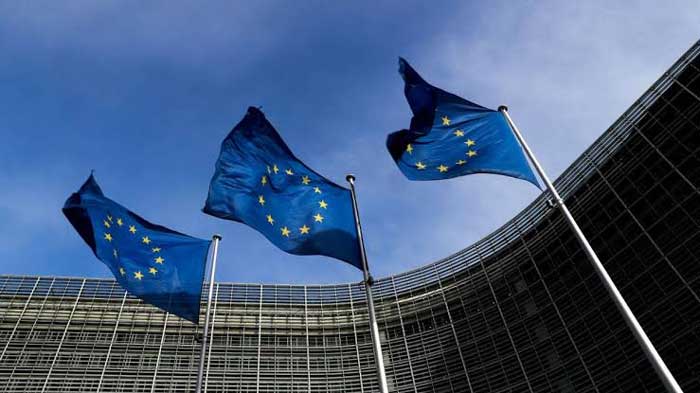
BRICS countries on Tuesday opposed what they called “unilateral, punitive, discriminatory and protectionist” climate measures, including the European Union’s Carbon Border Adjustment Mechanism (CBAM), and called for a major increase in climate adaptation funding for developing nations.
The position was outlined in a joint statement adopted at the 12th BRICS Environment Ministers’ Meeting in New Delhi, held under India’s chairship. The ministers warned that carbon border measures could undermine developing countries’ efforts to tackle climate change and build resilience.
The EU’s CBAM entered its definitive phase on January 1, requiring importers of carbon-intensive goods such as iron and steel, aluminium, cement, fertilisers, hydrogen and electricity to account for the emissions generated during production. The EU says the mechanism is designed to prevent “carbon leakage”, where carbon-intensive production shifts outside the bloc because of differing climate regulations.
India is particularly exposed to CBAM because of its steel exports to Europe. Iron and steel account for around 90% of Indian exports to the EU covered by the mechanism, according to a recent analysis. A June 2026 study published in Nature Climate Change found that high-emission Indian steel producers had reduced their export volumes and revenues to the EU during the CBAM reporting phase, while lower-emission firms maintained their export levels.
The BRICS stance comes as India and the EU move towards implementing a free trade agreement negotiated earlier this year, even as Indian exporters face additional carbon-related compliance costs in the European market.
BRICS seeks more adaptation finance
The BRICS ministers also called for an urgent increase in adaptation finance from developed countries, saying support should be “new, additional, predictable, adequate and accessible”.
They called for funding through grants and concessional finance that does not increase the financial vulnerabilities of developing countries. The ministers also urged developed nations to fulfil the commitment made at the 2025 UN climate conference to triple adaptation finance for developing countries by 2035.
Adaptation finance helps countries cope with climate impacts that can no longer be avoided, including extreme heat, erratic rainfall, floods, droughts, water insecurity and damage to infrastructure. It differs from mitigation finance, which focuses on reducing greenhouse gas emissions.
The demand comes ahead of COP31, scheduled to be held in Turkey in November. Adaptation finance remained a key unresolved issue during climate negotiations in Bonn in June, where countries failed to reach agreement on several questions related to climate finance.
The BRICS statement also called for easier access to adaptation funding and better tracking of how such finance is delivered and used.
For India, the issue is particularly significant as rising heat, unpredictable rainfall, floods and droughts increase the need for climate-resilient infrastructure and livelihoods. Adaptation has historically received a smaller share of global climate finance compared with mitigation.
Comments are closed.