
Early warning system aims to predict biodiversity threats from extreme temperatures

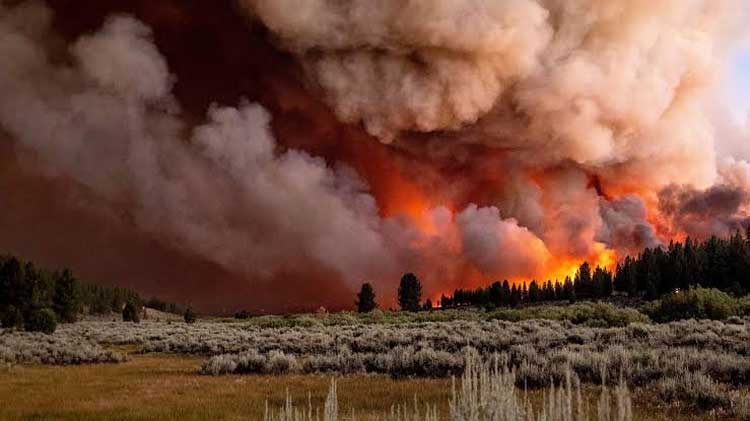
As climate change accelerates, extreme temperature events are becoming more frequent, intense and unpredictable. From prolonged heatwaves to sudden cold snaps, these temperature extremes are reshaping ecosystems across the globe, threatening wildlife, disrupting food chains and pushing vulnerable species closer to extinction. Scientists are now developing innovative early warning systems designed to forecast biodiversity risks before irreversible damage occurs.
Why Extreme Temperatures Matter
Biodiversity forms the foundation of healthy ecosystems, supporting essential services such as pollination, water purification, carbon storage and food production. However, many species have evolved within specific temperature ranges. When temperatures rise or fall beyond these limits, plants and animals can experience stress, reduced reproductive success, habitat loss and increased mortality.
Recent years have witnessed mass coral bleaching events, widespread forest die-offs and significant declines in insect and bird populations linked to extreme heat. Cold extremes, though less frequent, can also devastate ecosystems by affecting migration patterns, breeding cycles and food availability.
The Need for Early Warning
Traditionally, conservation efforts have focused on responding to biodiversity losses after they occur. However, the growing pace of climate-related disruptions demands a more proactive approach. An early warning system can help identify regions, species and ecosystems most at risk before extreme temperature events strike.
By combining climate forecasts, satellite observations, ecological monitoring and artificial intelligence, researchers can generate risk assessments that provide advance notice of potential biodiversity threats. Such systems can enable governments, conservation groups and local communities to take preventive measures rather than reacting to ecological crises.
How the System Works
The proposed early warning framework integrates multiple streams of data:
- Climate Models: Forecast future temperature extremes days, weeks or even months in advance.
- Species Distribution Data: Identify where vulnerable species are located and how exposed they are to changing conditions.
- Remote Sensing Technologies: Monitor vegetation health, water availability and habitat changes using satellite imagery.
- Artificial Intelligence: Analyze complex environmental patterns and predict which ecosystems face the highest risk.
The system then generates alerts highlighting areas where biodiversity could be significantly affected by upcoming temperature extremes.
Benefits for Conservation
An effective biodiversity warning system could transform environmental management by:
- Guiding emergency conservation interventions.
- Supporting wildlife relocation and habitat protection efforts.
- Helping farmers and land managers adapt to climate-related ecological changes.
- Informing policymakers about emerging environmental risks.
- Strengthening global climate adaptation strategies.
Early warnings can also improve resource allocation by directing conservation funding and personnel to regions facing the most immediate threats.
Challenges Ahead
Despite its promise, developing a reliable biodiversity forecasting system remains challenging. Ecological responses to temperature extremes vary across species and regions, making accurate predictions complex. Data gaps, especially in developing countries and remote ecosystems, can also limit forecasting accuracy.
Furthermore, scientists must ensure that warnings translate into practical action. Effective communication between researchers, governments and local stakeholders will be critical for turning forecasts into meaningful conservation outcomes.
A New Era of Climate Resilience
As the climate crisis intensifies, protecting biodiversity requires anticipating risks rather than simply documenting losses. Early warning systems for extreme temperature impacts represent a significant step toward climate-resilient conservation. By identifying threats before they unfold, these tools could help safeguard ecosystems, preserve wildlife and support the natural systems upon which human societies depend.
In a warming world, forecasting biodiversity risks may become as essential as weather forecasting itself—providing a vital window of opportunity to protect nature before disaster strikes.
Comments are closed.