
Forensic Expert Challenges Official Suicide Finding in Jeffrey Epstein’s Death

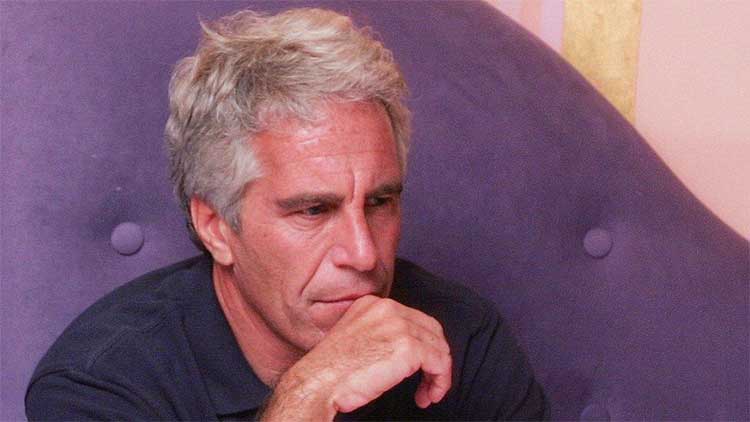
A forensic expert has challenged the official finding that convicted sex offender Jeffrey Epstein died by suicide in prison, saying his independent review of medical records and photographs suggests he may have been murdered.
Professor Michael Freeman told BBC Newsnight that his examination of files and photographs from the New York City medical examiner led him to conclude that Epstein was strangled, possibly from behind. However, Freeman’s research has not been peer-reviewed, and he did not personally examine Epstein’s body.
Epstein, a wealthy American financier, was found dead at the Metropolitan Correctional Center in New York on August 10, 2019, while awaiting trial on federal sex trafficking charges. The city’s medical examiner ruled his death a suicide by hanging.
What Evidence Does the Forensic Expert Cite?
Freeman, who previously worked on the George Floyd death case in Minnesota, presented his findings in London on Monday.
He said his analysis was independent and that he had received no payment from Epstein’s brother, Mark Epstein, who supplied the records for the examination. Mark has repeatedly questioned the official account and maintained that his brother was murdered.
According to Freeman, the medical records showed several injuries that raised questions about the circumstances of Epstein’s death. These included significant haemorrhaging in his left shoulder and injuries that appeared consistent with blows to the face.
He also highlighted marks above the ligature impression on Epstein’s neck, as well as what appeared to be fingernail marks in the same area. Freeman suggested these could indicate that Epstein had attempted to remove the ligature during a struggle.
He argued that the evidence was consistent with strangulation using a ligature, which was subsequently used to suspend Epstein’s body from a bunk bed.
“The injuries and the way the body was found don’t match up. There’s only one remaining explanation then, and that is that the death was as a result of a homicide,” Freeman told the BBC.
Why Authorities Ruled Epstein’s Death a Suicide
The medical examiner who conducted Epstein’s autopsy told the US Department of Justice’s Office of the Inspector General that his injuries were more consistent with suicide by hanging than homicide by strangulation.
The examiner also said there was no evidence of defensive injuries typically associated with strangulation victims.
Dr Barbara Sampson, who served as New York City’s chief medical examiner at the time, has previously reaffirmed her conclusion regarding the cause and manner of Epstein’s death. The BBC said it had contacted her for further comment.
Freeman also questioned why investigators had not photographed Epstein’s body before it was taken down. However, a Justice Department review found that the prison guard who discovered Epstein called a colleague, lowered the body to the floor and began resuscitation efforts.
Epstein had also been placed on suicide watch briefly about a month before his death, according to the BBC report.
Expert Says He Has No Opinion on Who May Have Killed Epstein
Freeman said he had no idea who might have killed Epstein, assuming his interpretation of the forensic evidence was correct.
“That is not something I have an opinion about. That isn’t any part of any investigation that I’ve done,” he told the BBC.
Responding to suggestions that his conclusions could fuel conspiracy theories surrounding Epstein’s death, Freeman said the available records should remain open to scrutiny and invited other experts to identify any errors in his analysis.
Epstein was convicted in 2008 of soliciting prostitution from a minor and was required to register as a sex offender. A plea agreement allowed him to avoid a lengthy prison sentence.
In 2019, he was arrested on federal charges of operating a sex trafficking network involving underage girls. He died while awaiting trial, leaving the allegations against him unresolved in that criminal case.
Comments are closed.