
India Calls in Iranian Ambassador After Indian-Flagged Tankers Shot at in Strait of Hormuz

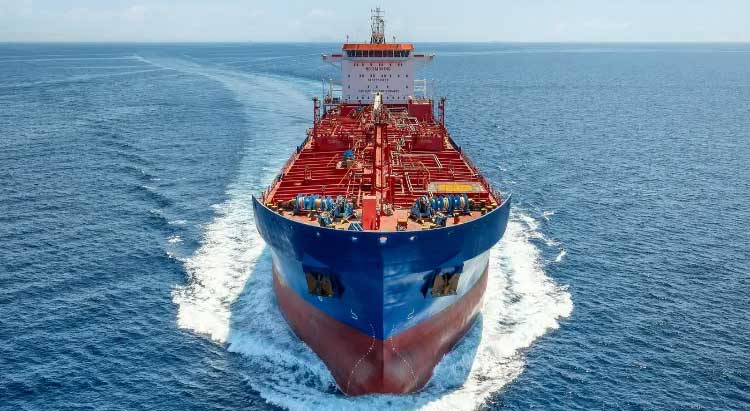
India’s Ministry of External Affairs on Saturday summoned Iran’s ambassador to New Delhi, Mohammad Fathali, to lodge a formal protest after two Indian-flagged oil tankers were fired upon by Iranian forces near the Strait of Hormuz, according to officials familiar with the matter.
The envoy was called in for a meeting in the evening, where Indian officials conveyed “deep concern” over the incident. In a statement, the MEA stressed the importance India places on the safety of merchant shipping and seafarers, while also recalling Iran’s past cooperation in ensuring safe passage for vessels bound for India.
India urged Tehran to investigate the firing and resume efforts to facilitate the safe movement of India-bound ships through the vital maritime route. The Iranian ambassador assured Indian authorities that the concerns would be conveyed to his government.
The incident involved two large crude carriers—Jag Arnav and Sanmar Herald—which were reportedly transporting millions of barrels of Iraqi oil when they came under fire north of Oman. Earlier, reports had indicated that two Indian ships were forced to turn back from the strait. The reason behind the firing remains unclear.
Indian authorities, including the navy, are assessing the situation, though no Indian naval vessel is currently stationed in the Strait of Hormuz. However, India has deployed warships, including destroyers and a frigate, in the nearby Gulf of Oman.
Tensions rise in the Strait
The situation in the Strait of Hormuz has grown increasingly volatile amid the ongoing conflict involving the United States, Israel, and Iran. The UK Navy reported that Iranian gunboats had fired at vessels attempting to transit the strait, while some ships received radio warnings declaring the passage closed.
Shipping data showed multiple liquefied natural gas carriers approaching the strait from Qatar, even as hundreds of vessels remain stranded in the Persian Gulf following Tehran’s earlier closure of the route after the conflict escalated in late February.
Although Iran had briefly reopened the strait following a US-brokered ceasefire between Israel and Lebanon, tensions resurfaced within hours. Iranian military authorities later announced a return to strict control over the waterway, citing alleged violations by the United States.
Radio broadcasts attributed to Iran’s navy warned vessels that the Strait of Hormuz was “completely closed again” and that no ship of any nationality would be allowed to pass.
The development comes as uncertainty continues over the fragile ceasefire, with Donald Trump indicating that hostilities could resume if no broader agreement is reached.
Comments are closed.