
Rice Every Day: Dietitian Explains The Right Portion, Glycemic Index And Health Benefits

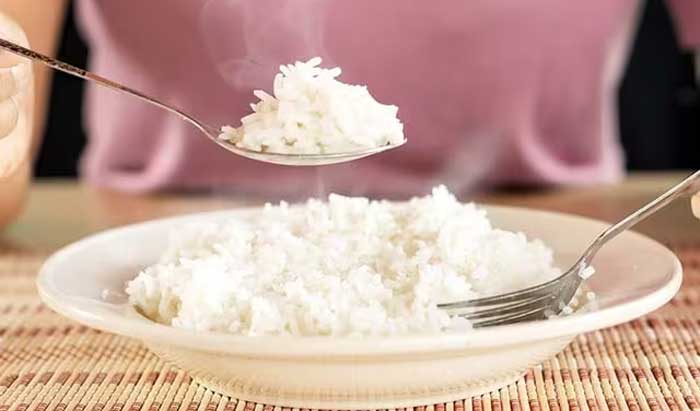
Eating rice every day can be part of a healthy diet when portion sizes, food variety and overall meal balance are carefully managed. As a staple food for millions, rice is an important source of carbohydrates and provides the body with energy. However, the type of rice, serving size and foods eaten alongside it can significantly influence blood sugar, digestion and overall health.
Speaking to HT Lifestyle, Aastha Sharma, chief dietitian at Yatharth Super Speciality Hospital, Faridabad, explained what people should keep in mind before making rice a daily part of their meals.
Portion control is key
The quantity of rice consumed plays an important role in maintaining a healthy body weight and managing blood sugar levels. Dietary recommendations generally suggest a moderate serving of around ½ to 1 cup of cooked rice per meal, although individual requirements may vary depending on factors such as age, activity level and overall dietary needs.
Pay attention to the glycemic index
White rice generally has a higher glycemic index (GI), meaning it can cause blood sugar levels to rise relatively quickly. However, this does not mean that rice needs to be eliminated from the diet.
Instead, people should focus on portion sizes and combine rice with foods that provide protein, fibre and other essential nutrients. Lower-GI rice and grain varieties, particularly those with a GI below 53, release glucose more gradually and may provide a steadier source of energy.
Pair rice with protein and fibre
Rice becomes a more nutritionally balanced meal when paired with protein-rich and fibre-rich foods. Aastha recommended combining rice with options such as dal, curd, paneer, eggs, fish or chicken, along with plenty of vegetables and salads.
Brown rice and minimally polished rice generally contain more fibre than white rice. Nevertheless, white rice can also be included in a balanced diet when consumed in moderation. The overall quality of the meal matters more than focusing on a single food.
Adding lentils, vegetables and lean sources of protein can improve satiety, support digestion and help reduce the tendency to overeat later in the day.
Should you stop eating rice?
There is no need to completely give up rice simply because it is a carbohydrate-rich food. Mudit Goel, co-founder of Kkhavo, said rice can comfortably fit into a health-conscious lifestyle when combined with sensible daily choices.
Keeping portions to roughly one cup of cooked rice per meal can provide a practical starting point for maintaining balance, while choosing whole-grain or lower-GI varieties where possible can further improve the nutritional profile.
Ultimately, rice does not have to be viewed merely as a filler on the plate. When consumed in appropriate portions and paired with vegetables, fibre-rich foods and quality protein sources, it can be a nutritious part of an everyday diet while allowing people to retain an important food tradition.
Comments are closed.