
US-Iran Talks Conclude as Technical Negotiations Continue After Trump’s Threats Raise Tensions

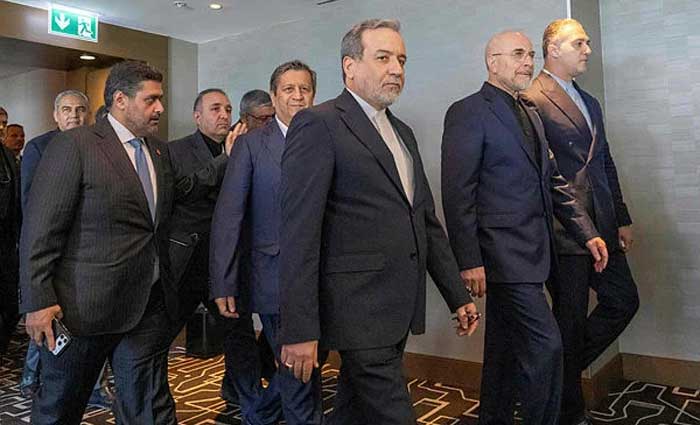
High-level negotiations aimed at securing a permanent end to the Iran war concluded early Monday in Switzerland, with technical-level discussions set to continue throughout the week. The talks resulted in an agreement between Iran and the United States to establish a “de-confliction cell” focused on reducing tensions and preventing further escalation in Lebanon.
According to a statement from mediators Pakistan and Qatar, the new mechanism will include representatives from the Lebanese government and is intended to ensure compliance with a halt in military operations in Lebanon. However, questions remain over whether the arrangement will succeed in stopping clashes between Iran-backed Hezbollah and Israel, which has maintained its military presence in southern Lebanon and insists it must retain the ability to strike militants targeting northern Israel.
The United States has not issued an immediate statement on the talks, while Iran praised the efforts of Pakistani and Qatari mediators. The negotiations mark the beginning of a 60-day diplomatic effort aimed at reaching a permanent agreement to end the conflict, with fighting in Lebanon emerging as one of the biggest challenges.
Meanwhile, Iran claimed it had once again closed the Strait of Hormuz, a vital route for global energy shipments, over the weekend. The United States disputed the claim, saying maritime traffic through the strategic waterway continued.
Tensions rise at start of negotiations
The talks began under pressure after US President Donald Trump issued warnings against Iran’s support for armed groups in Lebanon. Trump urged Tehran to stop Hezbollah attacks, threatening further military action if Iran failed to do so.
Iran’s lead negotiator Mohammad Bagher Qalibaf responded by warning that Tehran’s armed forces were prepared to react, saying Iran would continue to act rather than simply engage in discussions.
However, Iran’s Foreign Minister Abbas Araghchi later praised mediation efforts by Pakistan and Qatar, saying progress had been made toward ending the Lebanon conflict. He described the proposed de-confliction cell as the first major test of whether the negotiations could deliver results.
US Vice President JD Vance, along with American negotiators including Steve Witkoff and Jared Kushner, held discussions with Iranian officials Araghchi and Qalibaf. The meeting lasted around 80 minutes, according to Iranian state media.
Mediators said lower-level technical negotiations would continue in Switzerland for the rest of the week, with the goal of resolving key issues before senior officials return for final agreements.
Nuclear issue and Strait of Hormuz remain key challenges
A senior US official said discussions included Iran’s statements regarding the Strait of Hormuz, possible measures to keep the route open, enforcement of a Lebanon ceasefire and broader nuclear concerns.
The United States is seeking commitments from Iran over its nuclear program, fearing it could support military ambitions. Tehran has repeatedly denied such claims and insists on its right to pursue uranium enrichment for peaceful purposes.
Iranian President Masoud Pezeshkian said Tehran would not abandon its right to enrich uranium, despite pressure from Washington.
The agreement reportedly includes provisions allowing Iran to resume oil sales and access frozen financial assets, while requiring Tehran to reduce its stockpile of highly enriched uranium.
Lebanon conflict remains major obstacle
Although a renewed Lebanon ceasefire appeared to be holding, neither Israel nor Hezbollah is directly part of the US-Iran agreement. Israeli Prime Minister Benjamin Netanyahu has said Israeli forces will remain in southern Lebanon until security threats are removed, while Hezbollah has demanded an Israeli withdrawal before ending attacks.
This leaves the Lebanon front as a potential threat to the wider diplomatic process.
Political backlash over the deal
The agreement has faced criticism from some Republican lawmakers in the United States, who compared it to the earlier nuclear deal negotiated during the Obama administration. Critics argue that the new arrangement may not be enough to permanently prevent Iran from expanding its nuclear capabilities.
The deal also includes temporary guarantees allowing commercial vessels to pass through the Strait of Hormuz without additional charges for 60 days, though future fees remain possible.
Trump has warned that the US could impose its own financial measures if no long-term agreement is reached within the deadline.
Following news of the agreement, global oil markets reacted positively, with oil futures falling nearly 8%, as the administration attempted to reassure markets that the conflict would have only a limited impact on energy prices.
Comments are closed.