
US, Iran trade fire in fresh escalation as Bessent signals more sanctions

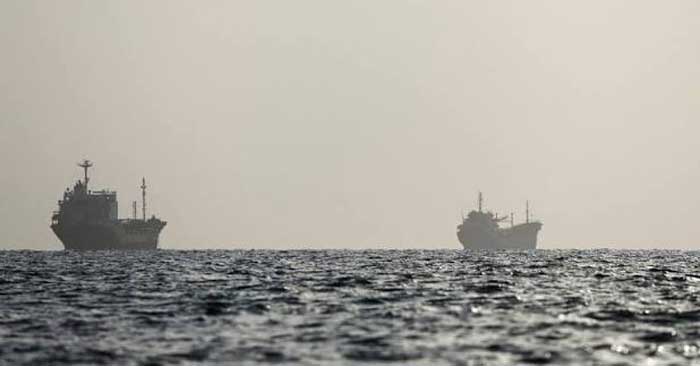
US forces struck two Iranian rocket launchers on Larak Island in the Strait of Hormuz on Sunday, a US official said, marking the first known American military strikes against Iran since late July.
The strikes targeted the small Iranian island near the strategic port of Bandar Abbas, which overlooks key shipping lanes at the entrance to the Gulf and plays an important role in tensions surrounding maritime security and global energy supplies.
Iran retaliated by launching ballistic missiles at two US bases in Jordan, Iranian media reported. Jordan’s armed forces said they intercepted eight missiles that entered the country’s airspace.
The renewed hostilities come after weeks in which the Trump administration has increasingly relied on economic pressure and sanctions against Tehran and companies doing business with Iran, rather than military action.
US Treasury Secretary Scott Bessent told Reuters on Sunday that Washington was likely to announce new secondary sanctions against Iran every week, initially targeting banks.
“We’re starting with the banks, and we’re telling the banks it’s not okay to have Iranian money and to aid the regime,” Bessent said.
The US on Friday sanctioned UAE branches of Egypt’s Banque Misr over alleged financial links to Iran. Bessent said Washington could next move to cut some institutions off entirely from the dollar-based financial system.
“You’re going to see a lot more of these every week,” he said ahead of a meeting of G20 finance leaders.
First known US strikes in weeks
A US official said the American strikes on Larak Island targeted two Iranian launchers after Islamic Revolutionary Guard Corps forces were observed preparing to launch rockets equipped with sea mines into the Strait of Hormuz.
US Central Command described the operation as “limited, precise” action against IRGC minelaying forces that posed an “imminent threat” in the waterway. It did not provide further details.
Iranian state media reported that the Revolutionary Guards’ attack on US positions in Jordan killed and wounded several soldiers and civilians, while Tehran vowed further “response and punishment”.
A Fox News reporter, citing a US source, said Iran had attacked US forces stationed in Jordan and that nearly all incoming missiles had been intercepted, with no significant impact reported.
The escalation has further threatened commercial shipping through the Strait of Hormuz. The number of visible commodity vessels crossing the waterway fell to about five a day over the weekend, according to shipping data, although the actual number may be higher as some vessels have switched off their automatic identification systems.
US President Donald Trump said last week that all mines in international waters in the strait had been removed or detonated and warned Iran that any vessel laying new mines would be destroyed.
Trump has repeatedly said the Strait of Hormuz remains open. Iran’s Revolutionary Guards naval forces, however, have rejected that claim as “an obvious lie”, saying the waterway remains closed to vessels without Iranian permission.
Before the six-month-old Iran war and the subsequent blockade, the Strait of Hormuz carried nearly one-fifth of global crude oil and liquefied natural gas shipments, making any disruption a major threat to global energy markets.
Comments are closed.