
Trump-Netanyahu Tensions Surface as Iran War and Lebanon Crisis Strain Alliance

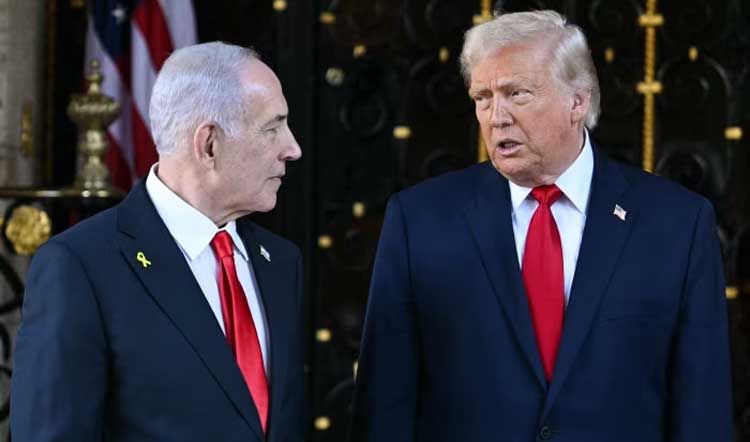
Signs of strain between US President Donald Trump and Israeli Prime Minister Benjamin Netanyahu have become increasingly visible, with Trump revealing that he once called Netanyahu “crazy” during a heated phone conversation and the Israeli leader acknowledging occasional “tactical disagreements” between the two allies.
Speaking on The New York Post’s Pod Force One podcast, Trump said he was “a little bit perturbed” that Israel’s military campaign against Hezbollah in Lebanon was complicating efforts to advance negotiations aimed at ending the conflict with Iran.
Despite the apparent friction, Trump emphasized that his relationship with Netanyahu remains strong.
“We’ve worked very well together. I like Bibi a lot. And I work very well with him,” he said.
Netanyahu, speaking to CNBC, similarly downplayed the differences, saying the two leaders remain aligned on broader strategic objectives.
“He respects me. I respect him. We always find a way to work out our differences,” Netanyahu said, adding that while there are occasional tactical disagreements, both leaders share “common goals” and agree on the major issues.
Iran conflict adds pressure
Trump’s remarks offered a glimpse into the growing pressure on his administration to secure an end to the Iran conflict, as rising energy prices and economic uncertainty threaten to weigh on global markets and domestic political prospects ahead of the US midterm elections.
Efforts to negotiate a settlement have become increasingly complicated by Israel’s parallel confrontation with the Iran-backed Hezbollah movement in Lebanon. Tehran has insisted that any broader truce must also address hostilities involving Hezbollah, linking the two crises.
Israel and Lebanon renew ceasefire
In a potentially significant diplomatic development, Israel and Lebanon agreed on Wednesday to renew their fragile ceasefire and establish several pilot security zones in southern Lebanon from which Hezbollah fighters would be excluded.
The agreement emerged from a fourth round of US-mediated talks in Washington. A joint statement said the ceasefire depends on a complete halt to Hezbollah attacks and the withdrawal of all Hezbollah operatives from areas south of the Litani River.
The proposed arrangement would see the Lebanese army assume control of the designated areas, with negotiators describing the move as a step toward a broader peace and security agreement.
The talks, which have been taking place at the ambassadorial level since last month, are expected to continue later this month. Hezbollah has not participated directly in the negotiations.
No firm timeline for peace
Trump declined to provide a clear timeline for resolving the Iran conflict, though he expressed confidence that the crisis would not drag on for months.
“I think this will resolve itself fairly quickly,” he said, while acknowledging uncertainty over whether disruptions to shipping through the Strait of Hormuz could persist into September.
The US president also said Iran’s Supreme Leader, Mojtaba Khamenei, was involved in the ongoing negotiations.
Earlier this week, Israel and Lebanon reached a separate US-brokered understanding under which Israel agreed to avoid strikes in Beirut’s southern suburbs while Hezbollah pledged to halt attacks on northern Israel.
The latest round of fighting has inflicted a heavy humanitarian toll. More than 3,400 people have been killed in Lebanon and roughly 1.2 million displaced, while Israel says at least 27 soldiers, a defence contractor and two civilians have died since hostilities escalated.
Comments are closed.