
How Vanuatu’s UN climate proposal could redefine global accountability

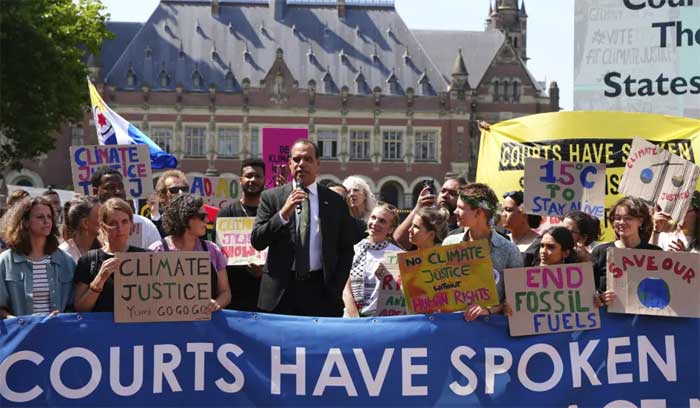
A draft United Nations resolution is being negotiated to turn the International Court of Justice’s 2025 advisory opinion on climate change into concrete global action and stronger state accountability.
While non-binding, the ICJ opinion affirmed that protecting the climate system is a legal obligation under international law, warning that failure to curb greenhouse gas emissions—including continued fossil fuel expansion—could amount to wrongful conduct. It also underscored the need to limit warming to 1.5°C, safeguard human rights, support climate-displaced populations, and provide reparations for climate harm.
The draft resolution, led by Vanuatu with backing from a broad coalition of countries, aims to translate these principles into actionable commitments. It urges governments to align climate plans with the 1.5°C target, strengthen domestic climate laws, phase out fossil fuels and subsidies, protect vulnerable and Indigenous communities, and establish mechanisms for loss and damage compensation.
Framed as a step toward integrating climate action with human rights, the initiative reflects growing global pressure—particularly from vulnerable nations—for greater accountability from high-emitting countries.
UN member states are expected to vote on the resolution in April 2026. If adopted, it could significantly reshape global climate governance by embedding the ICJ’s legal findings into international policy and reinforcing long-term accountability.
Comments are closed.