

Iran signaled cautious progress in its latest talks with the United States, but major differences remain over nuclear issues and control of the Strait of Hormuz, even as Donald Trump described the discussions as “very good” while warning Tehran against “blackmail.”
Neither side disclosed specifics on Saturday, just days before a fragile ceasefire in the ongoing US-Israeli conflict with Iran is due to expire. Now in its eighth week, the war has killed thousands, expanded into Israeli strikes in Lebanon, and driven up global oil prices amid disruptions in the strait, which typically handles about one-fifth of the world’s oil shipments.
Iran’s chief negotiator Mohammad Baqher Qalibaf said there had been progress in recent discussions but acknowledged a significant gap remains. “There are some issues on which we insist… They also have red lines. But these issues could be just one or two,” he told state media.
Despite the diplomatic tone, tensions escalated again as Tehran moved to reassert control over the waterway, effectively closing the energy chokepoint after briefly reopening it a day earlier under a separate ceasefire arrangement. Qalibaf warned that shipping through the strait would be restricted if the US did not lift what Iran describes as a blockade of its ports.
Iran framed the move as a response to continued US pressure, calling the blockade a violation of ceasefire terms. Meanwhile, Supreme Leader Mojtaba Khamenei said Iran’s navy was prepared to deliver “new bitter defeats” to its adversaries.
Trump criticized Tehran’s actions as “blackmail,” while maintaining that negotiations were progressing. He also defended the US blockade and warned that military action could resume if a long-term agreement is not reached before the ceasefire expires.
Further complicating matters, Iran’s Supreme National Security Council said any reopening of the strait could involve conditions, including payments tied to security and environmental protection. Qalibaf also accused Trump of spreading misinformation, claiming the US president made multiple false statements about the talks.
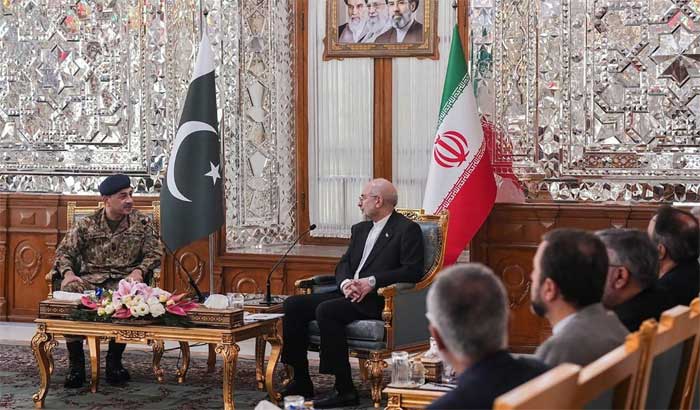
Tehran confirmed it is reviewing fresh US proposals delivered through Pakistani mediation following a visit by Asim Munir, though no formal response has been issued. Iranian officials reiterated they would not compromise on core interests.
The situation underscores decades of strained relations between Washington and Tehran, shaped by sanctions, regional rivalry, and disputes over Iran’s nuclear ambitions. Efforts at diplomacy — including the 2015 nuclear agreement — have repeatedly faltered, particularly after the US withdrawal in 2018.
With tensions again rising and the Strait of Hormuz at the center of global energy security concerns, the outcome of the current negotiations remains uncertain despite intermittent signs of progress.
Comments are closed.