
Reserve Bank of India moots 1-hour delay for select UPI payments. Here’s why

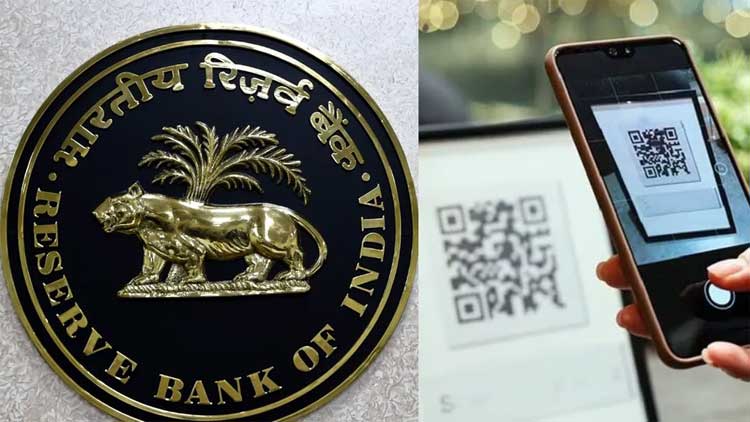
India’s digital payments system, powered by instant UPI transfers, could see a key change as the Reserve Bank of India (RBI) proposes a one-hour delay for certain transactions to curb rising fraud.
What is the 1-hour delay proposal?
Under the proposal, person-to-person transfers above ₹10,000 may no longer be processed instantly. While the money would be debited immediately, it would be held by the bank for up to an hour before reaching the recipient. During this “cooling period,” users would have the option to cancel the transaction.
Importantly, payments to merchants—such as scanning QR codes at shops—are likely to remain unaffected, ensuring everyday usage continues smoothly.
Why is RBI considering this?
The move comes amid a surge in digital fraud, especially authorised push payment (APP) scams. In such cases, users are tricked into transferring money themselves under pressure—often by fraudsters posing as officials or trusted contacts.
Since UPI transactions are instant, funds are quickly withdrawn or moved further, leaving little chance of recovery. The RBI believes introducing a delay could create a critical intervention window.
How the delay could help
The proposed one-hour window acts as a “golden hour,” giving users time to rethink, verify, or cancel a suspicious transaction. It also allows banks to flag unusual activity and intervene before funds are transferred.
Will this affect convenience?
Experts say the impact on daily use may be limited. Routine payments, subscriptions, and merchant transactions are expected to stay instant. The delay would mainly affect high-value transfers between individuals, especially to new recipients.
Who will be affected?
- Person-to-person transfers above ₹10,000
- Likely applies to individuals, sole proprietors, and partnerships
- Excludes merchant payments and recurring transactions
The ₹10,000 threshold is based on fraud data, which shows that while such transactions form about 45% of cases, they account for nearly 98.5% of total financial losses.
What it means for users
Most users may notice little change in daily transactions. However, for urgent or high-value transfers, some planning may be required—such as adding beneficiaries in advance or using alternative payment methods when needed.
Still a proposal
The RBI has not finalised the rule yet. It is part of a discussion paper, and feedback from stakeholders is being sought before any formal guidelines are issued.
If implemented, the move would mark a shift in India’s payments ecosystem—balancing UPI’s hallmark speed with stronger safeguards against fraud.
Comments are closed.