
Summers are arriving earlier, lasting longer and getting hotter

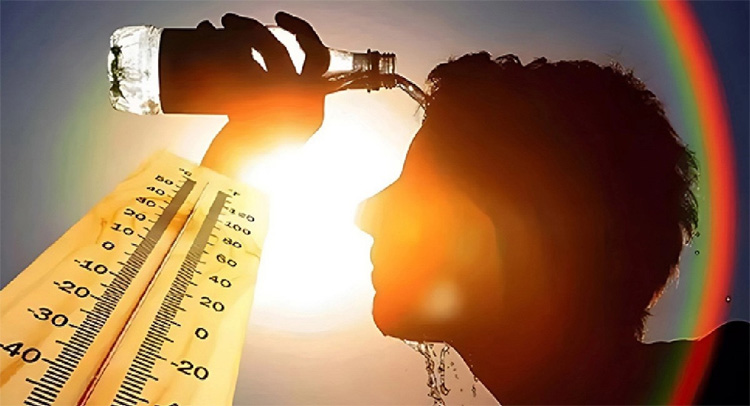
Summers across Earth’s midlatitudes—the subtropical and temperate zones—are arriving earlier, intensifying more quickly, lasting longer and becoming hotter, according to a new study by the University of British Columbia published in Environmental Research Letters.
The research finds that between 1990 and 2023, average summer length in these regions increased by about six days per decade—faster than earlier estimates. This means summers in the mid-2020s are now roughly a month longer than they were in the 1960s, starting earlier and ending later each year.
Longer, hotter, more intense
The study shows that summer-like conditions have expanded across land, coasts and oceans, with ocean regions now seeing the fastest increases. At the same time, cumulative heat—measuring both intensity and duration—has surged sharply, particularly in the northern hemisphere.
Since 1990, accumulated summer heat has risen far more rapidly than in previous decades, reflecting not just warmer temperatures but also longer exposure to heat.
Cities seeing dramatic shifts
Some cities are experiencing especially rapid changes. Summers in Sydney have lengthened by nearly 15 days per decade, while Minneapolis and Toronto are seeing increases of around 9 and 8 days per decade, respectively.
Impact on health and systems
Scientists warn that these changes could strain human ability to adapt physiologically, increasing risks from heat stress and raising energy demand for cooling. The sharper and earlier onset of summer also leaves less time for people and ecosystems to adjust.
Beyond human health, longer summers are already affecting growing seasons, drought intensity, heatwave frequency and overall economic productivity.
Faster seasonal transitions
Another key finding is that transitions between seasons are becoming more abrupt. The shift from spring to summer—and from summer to autumn—is happening more quickly, reducing the adjustment window for natural and human systems.
This could lead to faster snowmelt, increased flood risks in spring, quicker thawing of lakes in colder regions, and more dangerous early-season heatwaves when populations are not yet acclimatised.
Overall, the study highlights a significant shift in seasonal patterns—one that is not only extending summer but also intensifying its impacts across ecosystems, infrastructure and daily life.
Comments are closed.